We are a professional manufacturer of waste printed circuit board (PCB) recycling equipment, with over 20 years of experience in solid waste recycling machinery. Our solutions have been delivered to more than 60–70 countries worldwide. Many new investors entering the e-waste recycling industry ask two core questions: where to source scrap PCB feedstock, and who will purchase the separated metal products. This article breaks down the full business chain, and explains how our recycling machinery helps you build a stable, compliant and profitable recycling plant.
Raw Material Sourcing Channels for Scrap PCB
Waste PCBs can be sourced from multiple reliable channels. You can build your supply network covering local and cross-border supplies:
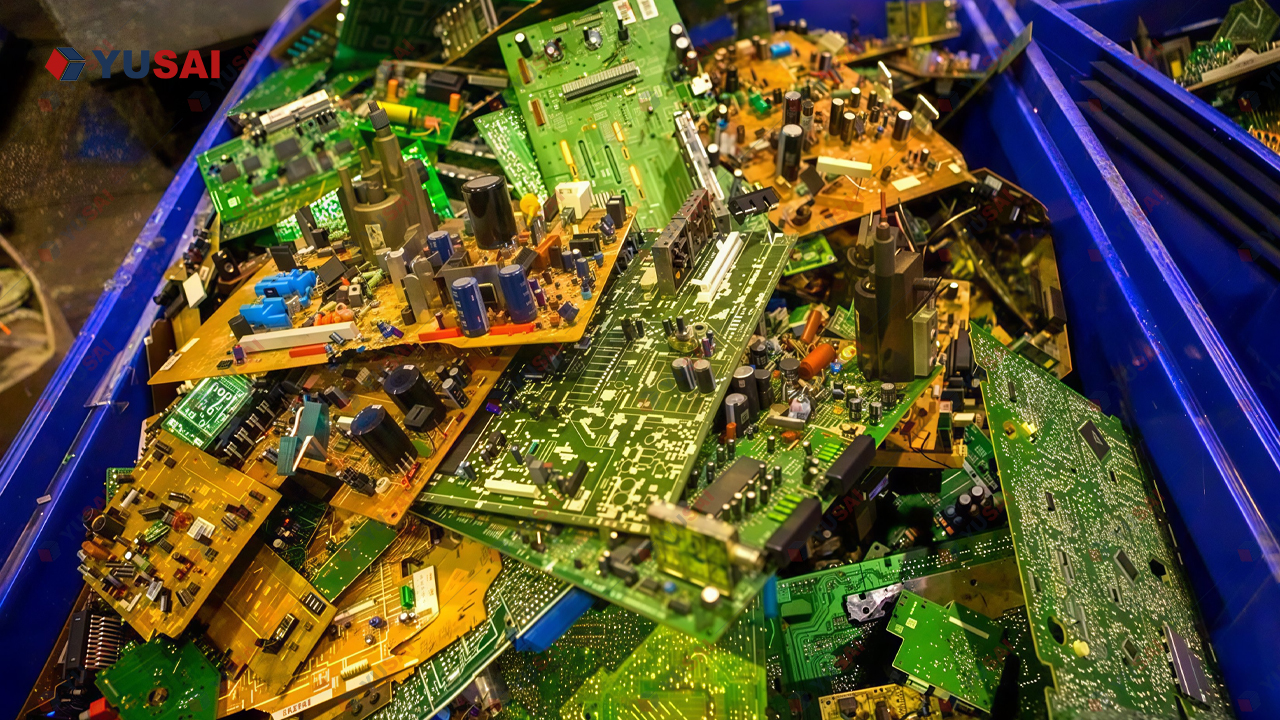
- E-waste collection centers & scrap yards Local scrap dealers and e-waste collection stations are your primary daily supply source. They collect discarded computers, servers, home appliances and telecom hardware, then dismantle them to extract motherboards, control boards and mixed scrap PCBs.
- IT asset disposition (ITAD) companies & telecom decommissioning projects Enterprises, data centers and telecom operators regularly retire outdated servers and network equipment. These bulk materials feature consistent quantity and relatively stable metal content.
- Electronics manufacturing factory waste Electronics producers generate PCB offcuts, rejected boards and production scraps during manufacturing. This feedstock usually maintains stable quality.
- Government & corporate asset liquidation and auctions Public institutions and large enterprises hold regular scrapping auctions, which can supply large batches of waste PCBs.
- B2B scrap trading platforms & material brokers International scrap brokers and global B2B marketplaces connect cross-border PCB suppliers. Always test metal content via XRF analyzers, verify paperwork, and strictly follow local import and environmental regulations before purchasing.
Tip: Classify scrap PCBs by category (motherboard, mobile board, TV board, mixed low-grade boards). Different grades vary greatly in gold, silver, copper and palladium content, which directly determines your profit margin.

Finished Product Sales Channels After PCB Processing
Processed by our complete PCB recycling line, waste PCBs are separated into metal concentrates (mainly copper, containing gold, silver, palladium and tin) and resin fiber powder. You can sell these outputs to the following buyers:
- Precious metal refineries & copper smelters This is your main sales channel. Metal concentrates from PCB recycling are purchased by professional smelters and precious metal refineries for further refining into pure copper, gold, silver and palladium. Most refiners require sampling and assay reports to verify metal grades.
- Metal trading houses & raw material brokers Metal traders buy bulk metal concentrates and resell them to large smelters. They provide flexible payment terms, though prices are generally lower than direct deals with refineries. This option works well for fast cash turnover.
- Resin powder buyers The non-metallic resin fiber powder can be sold to building material and composite manufacturers as filler materials, provided your operation complies with local environmental standards.
Our Role: Professional PCB Recycling Equipment Manufacturer
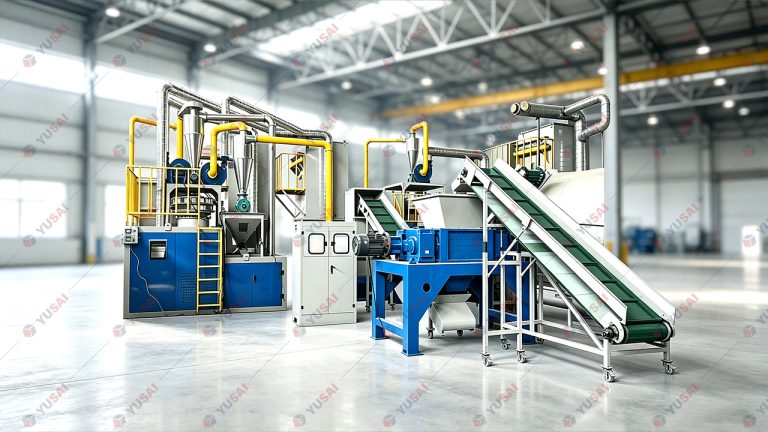
We do not trade scrap PCBs or metal concentrates. We specialize in supplying full-set, eco-friendly PCB recycling production lines, integrating shredding, crushing, grinding, air separation and electrostatic separation systems. Our technology achieves physical separation of metals and non-metals, with no chemical leaching involved.
We offer fully customized capacity solutions, ranging from small 100kg/h pilot lines to large-scale industrial production lines. Beyond equipment, we deliver one-stop services including plant layout design, on-site installation guidance, operator training and long-term after-sales support.
Besides PCB recycling lines, our product portfolio also covers lithium battery recycling plants, solar panel recycling systems, copper wire recycling machines, aluminum-plastic separation equipment and other e-waste recycling machinery to meet your diversified recycling demands.
If you plan to establish a PCB recycling facility, we can recommend the most suitable machines tailored to your local raw material types, target throughput and environmental requirements.
Final Note
Profitable PCB recycling relies on three key pillars: stable raw material supply, environmentally compliant processing equipment, and long-term buyers for your metal products. Before investment, it is critical to study local e-waste legislation, waste import policies and global metal price trends.
Contact us today to receive machine specifications, customized plant layout drawings and real project references from our worldwide PCB recycling cases.