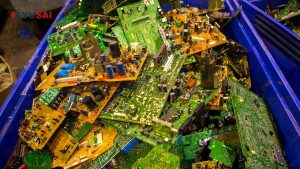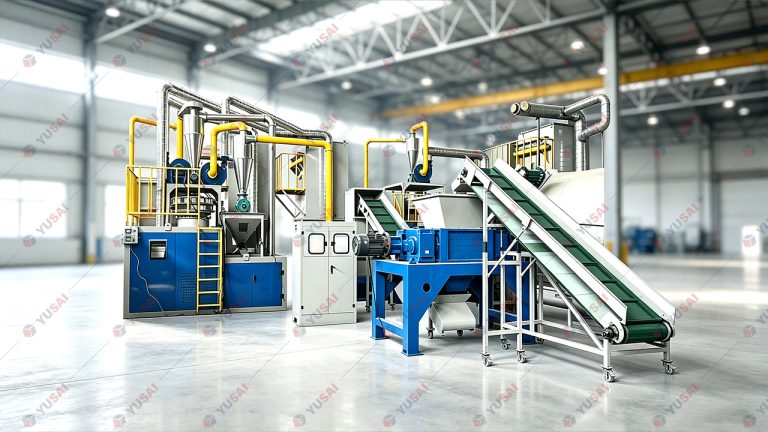
Printed circuit board (PCB) recycling is a high-value segment within the global e-waste recovery industry. PCBs carry recoverable copper, gold, silver and other precious metals. Wide value gaps between batches often come from board types, metal loading, base materials and physical conditions. Many traders suffer unexpected losses from misleading quotes, hidden defects or non-compliant cross-border operations. This practical technical guide helps international buyers, sellers and recyclers grade scrap PCBs accurately, stabilize profit margins and reduce operational risks.
1. Classify PCB Types First to Prevent Misjudgment
PCB value generally rises from single-sided boards, double-sided boards to multilayer boards. Visual inspection is the first sorting step.
- Single-sided PCB: Conductive traces only appear on one surface. Copper content is low, and it belongs to low-grade scrap.
- Double-sided PCB: Circuit traces on both sides of the substrate with plated through holes. Copper thickness is higher than single-sided types, forming the mainstream medium-grade scrap.
- Multilayer PCB: Contains stacked internal copper layers. Server boards, telecom control boards and high-end industrial motherboards fall into this category. It delivers the highest metal yield.
You can check the board edge structure directly. Use a magnifying glass for careful observation. Multilayer boards are normally thicker and marked with layer specifications. Wrong classification is the most frequent reason for under-quoting in international transactions.
2. Analyze Material Composition for Core Value Assessment
Most scrap PCBs adopt FR-4 fiberglass substrate. The real value driver is embedded metals: copper foil, gold-plated fingers and silver solder points. Copper is the primary revenue source. Simple on-site tests support preliminary screening: use a magnet to rule out iron impurities, and estimate density by weighing and volume calculation (pure copper density: 8.9 g/cm³). For high-grade server and telecommunication boards with gold plating, handheld XRF analyzers can carry out non-destructive quantitative testing. For bulk trade reference, typical scrap PCB metal ranges are: copper 30%–40%, gold 0.1%–0.5% by weight. Always cross-check real-time LME copper and precious metal prices before quotation. A minor difference in copper percentage will greatly change the total lot value. Do not overlook trace precious metals or overestimate the weight of non-metallic resin impurities.
3. Grade Physical Condition, Which Directly Impacts Final Price
Damage status heavily affects recovery efficiency and refinery pricing.
- Grade A: Clean, intact boards without burning, heavy corrosion or cracks; preferred by refiners.
- Grade B: Minor surface oxidation, no internal circuit burnout; acceptable after simple pretreatment.
- Grade C: Burnt, severely corroded or fractured boards. Heavy corrosion may destroy more than half of recyclable metals.
Check items: visible cracks, discoloration and burn marks. A multimeter can test continuity to confirm internal open circuits. Residual capacitors, resistors and attached components should be stripped before delivery. Unremoved components reduce metal purity and increase downstream processing fees. A burnt multilayer board may lose half its market value.
4. Master Market Rules & Avoid Trading Traps
Base your offer on live metal benchmark prices from LME and Shanghai Metal Exchange. Collect written quotations from 3–5 qualified recycling partners instead of relying on a single bid. Watch out for common overseas trading traps: buyers deliberately exaggerate corrosion or component residues to push down prices, or give attractive oral prices before deducting large impurity penalties at settlement. Compliance is non-negotiable for cross-border PCB scrap shipments. Waste PCBs are classified as controlled e-waste under the Basel Convention. All parties must hold valid environmental permits, follow local waste management rules and complete full shipment documentation. Prior written contracts, inspection reports and weight settlement clauses must be confirmed before loading. Never trust verbal commitments.
5. Standard Operating Workflow for Stable PCB Valuation
Phase 1: Preparation
Separate incoming scrap into piles by board category. Prepare calipers, magnifiers, weighing scales, record sheets and cameras for lot documentation.
Phase 2: On-site Evaluation
Inspect every batch by layer type, metal features and damage grade. Build a sorting log with photos, weight and grade records.
Phase 3: Formal Inquiry
Send complete grading descriptions and photos to buyers or refineries. Reject vague “mixed scrap” quotations without clear deduction rules.
Phase 4: Shipment & Settlement
Cooperate with certified, ISO 14001 compliant processors. Sign formal sales contracts with clear payment terms, sampling rules and impurity deduction standards.
For long-term operation, train sorting staff and establish internal QC audits to keep grading consistent across shipments.
6. Global Compliance Reminder
Waste PCB is hazardous e-waste containing lead, brominated flame retardants and other restricted substances. Transboundary movement must follow Basel Convention notification and consent procedures. Illegal shipment will trigger heavy fines, cargo seizure and reputational damage. Sellers need to confirm that receiving facilities have licensed metallurgical and waste treatment capacity. Processing workshops must adopt dust containment, wastewater purification and closed smelting systems to meet international emission standards.
Final Summary
Systematic grading helps recyclers capture fair value for scrap PCBs. Proper identification of board layers, metal content and damage grade can lift your revenue by around 20% on double-sided and multilayer batches. Combined with real-time metal pricing, written contracts and full regulatory compliance, you can run stable, transparent PCB recycling trade and achieve both resource recovery and sustainable commercial returns.