Introduction
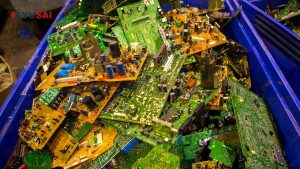
Global e-waste volume keeps rising year by year. Waste printed circuit boards (PCB) are the most valuable yet hazardous fraction among electronic waste. PCB scraps contain copper, gold, silver, palladium and other valuable metals, as well as toxic substances including lead, cadmium and brominated flame retardants. Traditional incineration and acid leaching methods suffer from low metal recovery rates and severe secondary pollution of heavy metals and dioxins, failing to meet EU WEEE directive and local solid waste regulations.
Dry physical waste PCB recycling production line stands out with zero chemical reagents, no wastewater discharge, low pollution and high metal recovery rate. As a professional manufacturer of waste circuit board recycling equipment, we provide one-stop turnkey service including solution design, machine manufacturing, on-site installation and operation training. We help global recycling operators convert waste PCB scrap into marketable recycled metal resources.
1. Market Opportunity & Compliance Challenges of Waste PCB Recycling
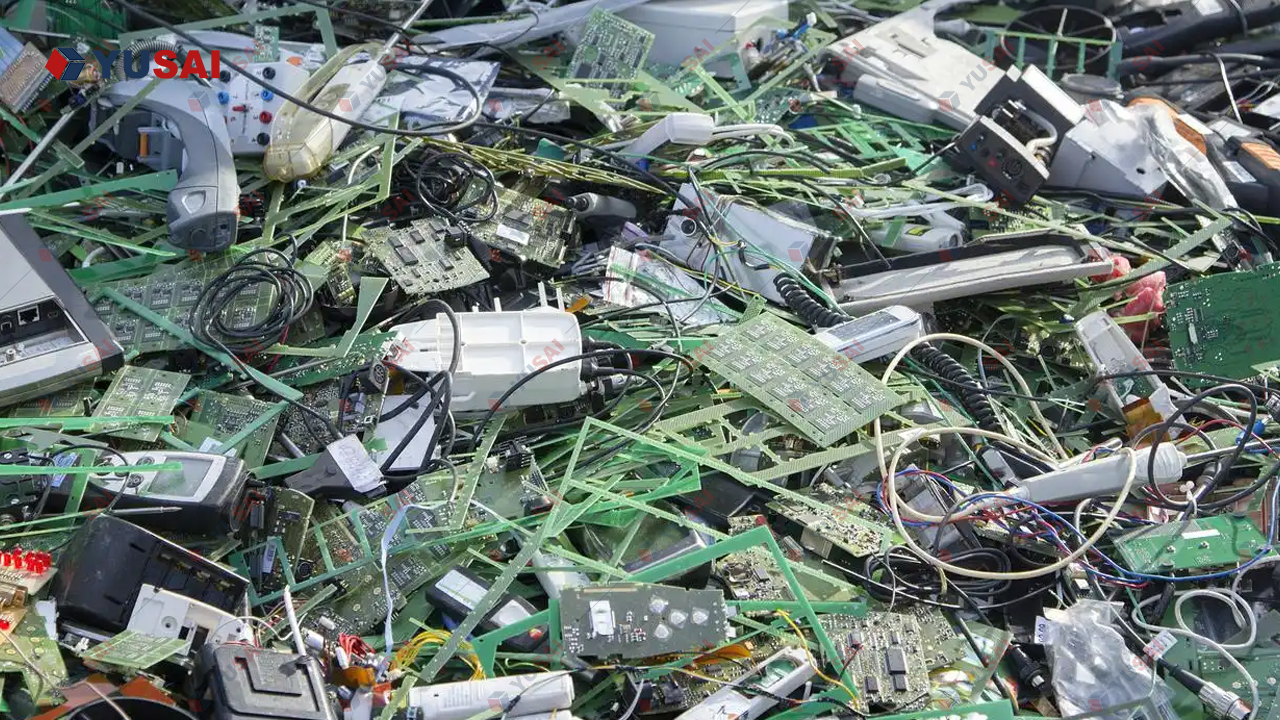
According to UNEP reports, global e-waste generation keeps growing. Waste computer motherboards, mobile phone circuit boards, TV PCBs and industrial control boards enter the recycling market in large quantities. PCBs are rich in copper and precious metals, bringing attractive economic value. However, many small recycling plants still use outdated processing technologies:
- Simple incineration: releases dioxins and heavy metal fumes, high risk of environmental fines, non-compliant with WEEE and hazardous waste regulations.
- Wet acid leaching: produces massive acidic wastewater. Heavy metal leakage contaminates soil and groundwater with high waste treatment cost.
- Manual dismantling: low throughput, poor metal separation purity and continuously rising labor cost.
More countries tighten cross-border e-waste control. Environmental compliance becomes the prerequisite for recycling businesses. Operators need automatic dry physical separation lines to meet local environmental standards, raise metal recovery rate and control operational cost for stable profit.
2. Working Process of Waste PCB Recycling Line
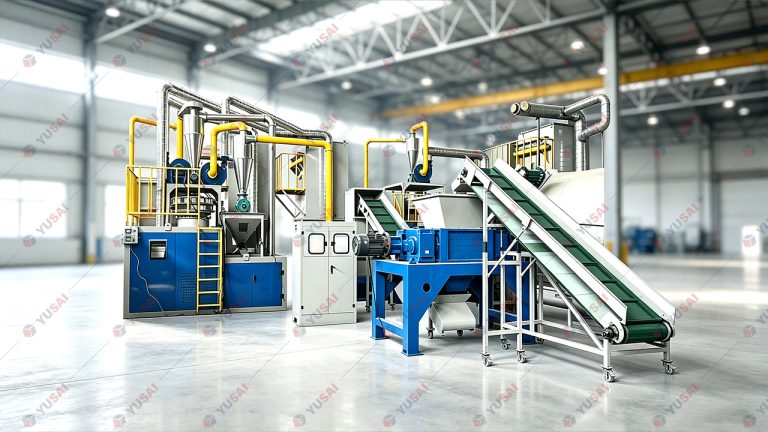
Our complete PCB recycling system adopts integrated dry physical crushing, grinding, air separation and electrostatic separation technology. No chemicals or water required in the whole process.
- Pre-treatment & component dismantling: optional component dismantling machine removes capacitors, IC chips for separate precious metal recovery.
- Primary shredding: double shaft shredder cuts whole circuit boards into small pieces.
- Fine grinding: pulverizer grinds materials into fine powder to fully dissociate metals from resin fiber.
- Multi-stage screening & gravity separation: preliminary separation of heavy and light materials.
- High-voltage electrostatic separation: separates conductive metals (copper, aluminum) from non-conductive resin and glass fiber powder based on conductivity difference.
- Pulse dust collection system: negative pressure dust collection across the whole line to avoid dust leakage and guarantee emission compliance.
Final output: high-purity metal mixture (mainly copper, containing gold, silver, palladium) and resin fiber powder (available for sale as filler material). Metal separation purity can reach over 95% for direct sales to smelters.
3. Key Advantages of Our PCB Recycling Equipment
✅ Dry physical process, eco-friendly No acid, alkali or organic solvent, no wastewater discharge. Avoid secondary pollution caused by acid washing or incineration. Easy to pass EU WEEE and local solid waste environmental audits, reduce compliance risks.
✅ High metal recovery rate for better profit Optimized grinding and electrostatic separation unit fully dissociates metals and non-metals. High copper yield per ton of PCB scrap, shorter payback period.
✅ Modular design with customized capacity Available models: 100kg/h, 200kg/h, 500kg/h, 1000kg/h. Small standalone machines for startup recyclers; large complete lines for large-scale solid waste treatment plants. Custom layout for different raw materials: computer motherboards, mobile boards, copper-clad laminates and mixed PCB scraps.
✅ Automatic PLC control to cut labor cost Central electric control for continuous stable operation, fewer on-site workers. Equipped with overload protection and fault alarm for stable performance and low failure rate.
✅ Integrated environmental dust removal Pulse bag dust collector with fully sealed negative pressure production. Dust emission meets standards, clean workshop for environmental inspection.
✅ Global delivery & after-sales support We are direct manufacturer instead of trading company. Provide project proposals, technical drawings, on-site installation guidance, remote operation training and spare parts supply. Support overseas commissioning, 1-year warranty and lifetime technical service. CE certification available for export customs clearance.
4. Applicable Raw Materials & Target Customers
Materials: Waste computer motherboards, mobile phone circuit boards, TV mainboards, router PCBs, industrial control boards, copper-clad laminates and PCB offcuts. Clients: E-waste recycling companies, hazardous waste treatment plants, renewable resource factories, solid waste industrial parks, metal smelters and cross-border e-waste disposal projects.
5. Why Choose Dry Physical PCB Recycling Technology?
Compared with traditional wet chemical and incineration methods, dry physical recycling has lower environmental risks and better long-term economic performance. Driven by global carbon neutrality and circular economy policies, governments prioritize resource recovery and restrict landfilling and uncontrolled burning. Automatic PCB recycling equipment helps operators run compliant business and unlock metal value from e-waste, turning waste into recyclable raw materials.
Our PCB recycling line can be matched with other solid waste machines including lithium battery crushing & sorting equipment, copper wire granulators and shredders to build a full e-waste recycling factory.
6. Conclusion
As global e-waste regulations become stricter, demand for low-cost, eco-friendly waste PCB recycling machines keeps increasing. Selecting a reliable original equipment manufacturer is critical to your e-waste recycling project.
We focus on R&D and manufacturing of complete waste circuit board recycling equipment, delivering customized PCB resource recovery solutions for worldwide clients. If you plan to build a new PCB recycling plant or upgrade your old production line, contact us for technical proposals, quotation and site operation case videos.