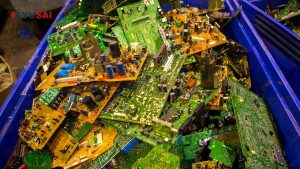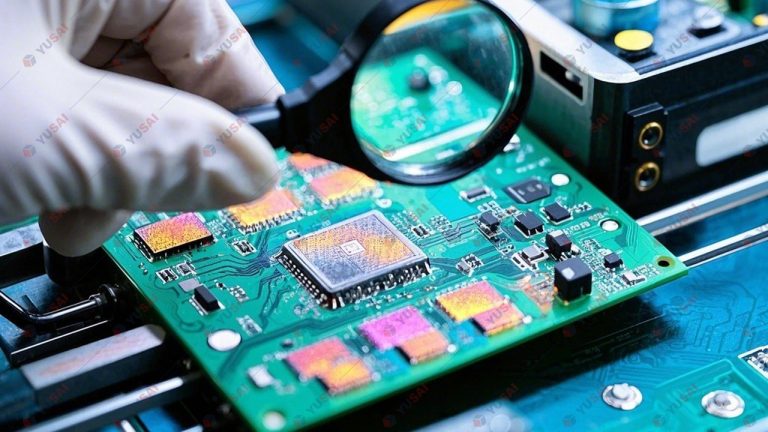
Waste printed circuit boards (WPCBs) are one of the fastest-growing and most challenging solid waste streams worldwide, driven by rapid upgrades of consumer electronics. Every year, millions of home appliances, computers and communication devices reach their end-of-life, generating massive volumes of discarded circuit boards.
WPCBs are composite materials made of fiberglass, thermoset resin and multiple metals. A typical waste PCB contains over 20% copper, alongside aluminum, iron, plus trace precious metals including gold and silver. Some electronic components such as memory chips and microprocessors can still function after disassembly. This makes waste PCBs far more valuable than ordinary municipal solid waste, opening attractive commercial opportunities for recyclers.
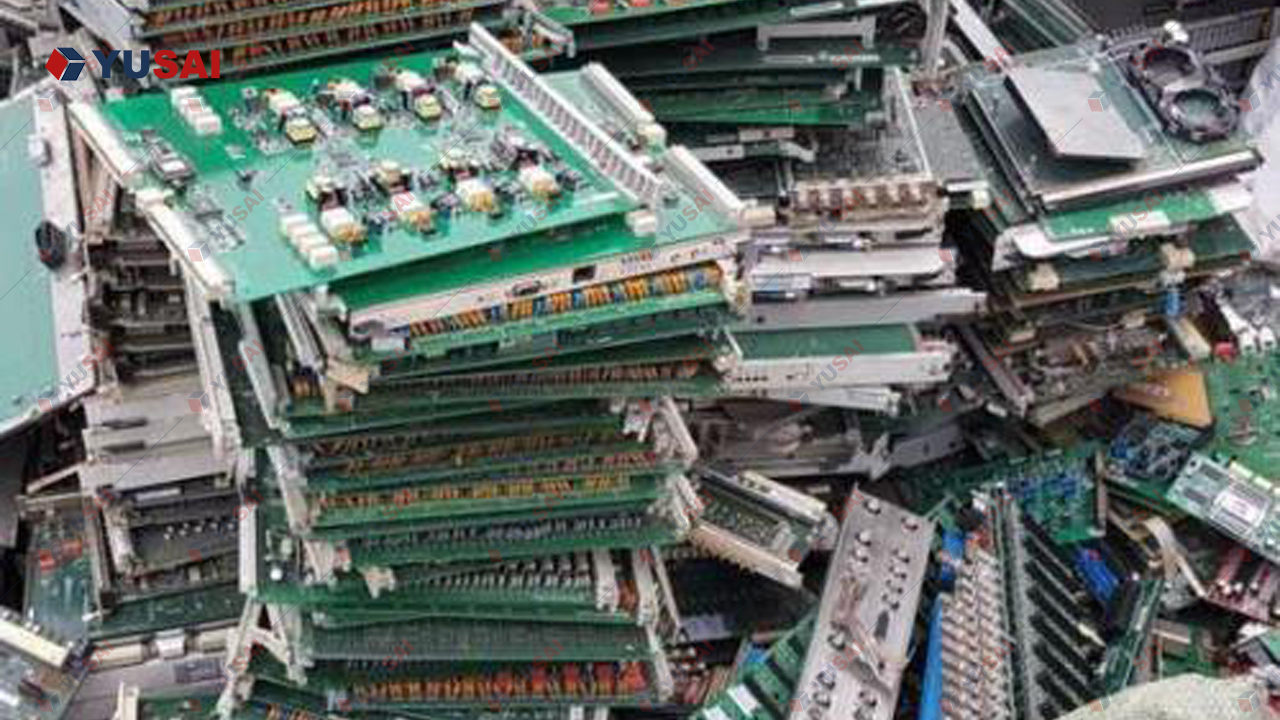
Without proper treatment, most waste PCBs end up in landfills or open incineration. Landfill occupies valuable land and contaminates soil and groundwater. Direct burning releases toxic fumes and creates severe air pollution. These traditional disposal methods waste valuable metal resources and violate global environmental regulations.
Main PCB Recycling Technologies: Pros & Cons
Three major technical routes are widely adopted for waste PCB recycling globally: hydrometallurgy, pyrometallurgy and physical mechanical separation.
Hydrometallurgy dissolves metals using strong acid or oxidizing solutions, then recovers metals via electrodeposition. It can achieve high purity for precious metals. However, this method consumes large volumes of chemical reagents and generates heavy wastewater, sludge and exhaust gas. It has poor adaptability to fluctuating PCB feedstock composition. Complex wastewater treatment systems are mandatory, raising operational costs and secondary pollution risks.
Pyrometallurgy (incineration / thermal treatment) burns resin to release heat and melt metals. It suffers from toxic flue gas emissions and loses fine precious metals during combustion. It is less favored under today’s strict environmental standards.
Mechanical physical separation is now the most promising and widely accepted solution. The process uses physical crushing, grinding, magnetic separation, air classification and electrostatic separation to liberate metals from non-metallic resin and fiberglass, without chemical additives.
The full mechanical recycling workflow includes:
- Pre-dismantling: Remove reusable electronic components and solder by heating to melt solder alloy
- Coarse shredding and fine milling: Break boards into fine particles to fully separate metal from non-metal matrix
- Magnetic separation: Extract ferrous metals
- Air gravity separation: Separate light resin powder from heavy metal particles
- High-voltage electrostatic separation: Sort conductive copper and precious metal concentrates from non-conductive fiberglass resin powder
- Central dust collection system: Capture fine dust to meet emission standards
Compared with wet chemical processes, dry mechanical separation has obvious advantages: no wastewater discharge, continuous large-scale production, lower operational cost, and recovered resin powder can be reused as filler for construction materials, coatings and composite materials. The final metal concentrate can be further refined for base metals and precious metals.
Current Pain Points of Existing Recycling Equipment
Many traditional disassembly machines can only process PCBs one by one, limiting hourly throughput. Manual disassembly with soldering irons or hot air guns is slow, unsafe and unsuitable for industrial scale. Hydrometallurgy lines require huge investment for three-waste treatment. Some crushing systems create local high temperature, releasing toxic vapors and metal dust loss. Precious metal particles easily stick together during grinding, reducing overall recovery yield.
Our Waste PCB Recycling Equipment & Turnkey Solution
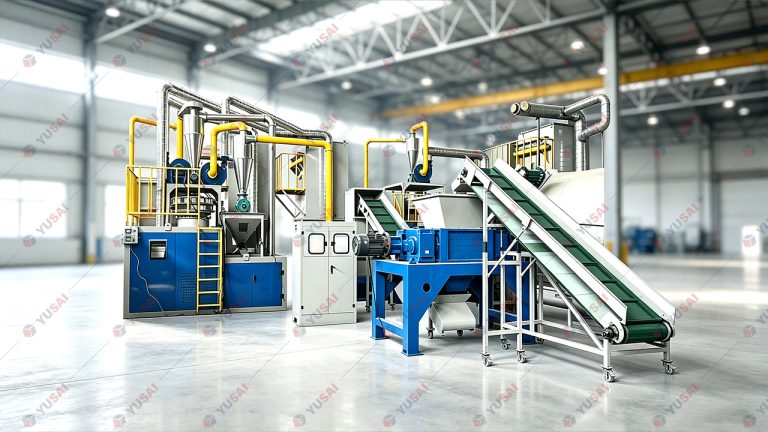
As a professional manufacturer of waste circuit board recycling machinery, we supply complete dry mechanical separation production lines for global recyclers. Our modular PCB recycling plant integrates shredding, milling, multi-stage sorting and dust removal.
Our equipment is designed for continuous bulk processing of mixed waste PCBs. The system achieves high metal separation purity and minimizes metal loss. The enclosed dust collection system controls dust emissions, helping you comply with local environmental protection rules.
We provide flexible configurations: standalone component disassembly machines, medium-capacity PCB crushing & sorting lines, or full turnkey recycling plants. The recovered copper concentrate can be sold directly, while non-metallic resin powder becomes marketable raw material for composite products. If needed, we can also match supporting equipment for subsequent precious metal refining.
Automation reduces manual labor, and PLC centralized control stabilizes long-run operation. Our engineering team offers customized layout design, factory commissioning, operator training and after-sales support for overseas customers.
Outlook
Global e-waste output keeps rising, and legislation on electronic waste recycling becomes stricter in more countries. Physical mechanical recycling will dominate the waste PCB recovery industry. Future development focuses on higher automation, intelligent identification for component disassembly, improved metal recovery rates and higher-value reuse of non-metallic resin powder.
By investing in mature mechanical PCB recycling lines, recyclers can turn electronic scrap into profitable raw materials while eliminating environmental hazards. Waste circuit boards no longer need to be treated as garbage — they are an urban mine waiting to be unlocked.
If you are looking for reliable waste PCB recycling equipment or a full project consultation, contact our team for technical proposals and factory quotations.