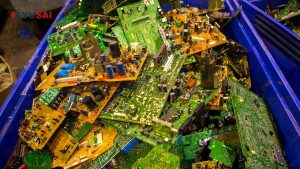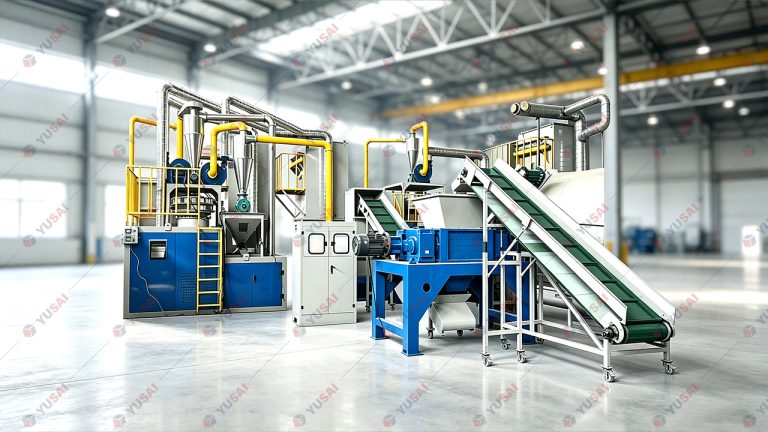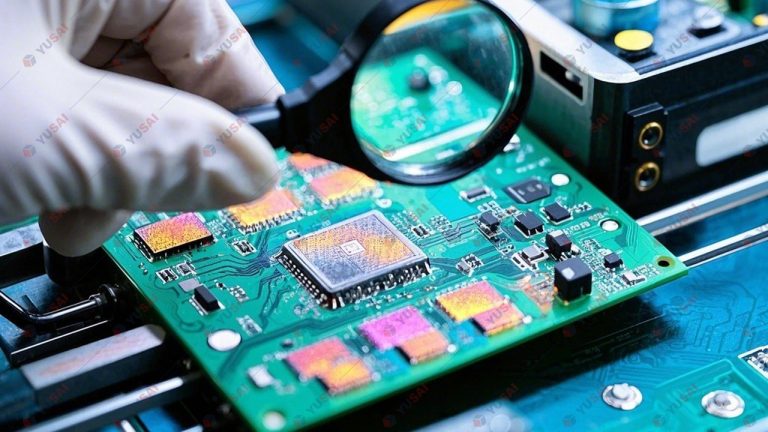
Waste printed circuit boards (PCBs) from computers are well known as “urban mines”. They contain concentrated precious metals and deliver remarkable recycling value. The main precious metals embedded in PCBs include gold, silver, palladium and platinum. It must be clearly noted that informal, home-based precious metal extraction is extremely hazardous and non-compliant. All scrap PCB handling should be carried out only by licensed, professional recycling operators.
Where Are Precious Metals Located Inside PCBs?
PCBs are composite materials made of metals and polymer substrates. Precious metals are not evenly spread across the board; they are concentrated on specific functional components to guarantee stable performance and long-term reliability for electronics.
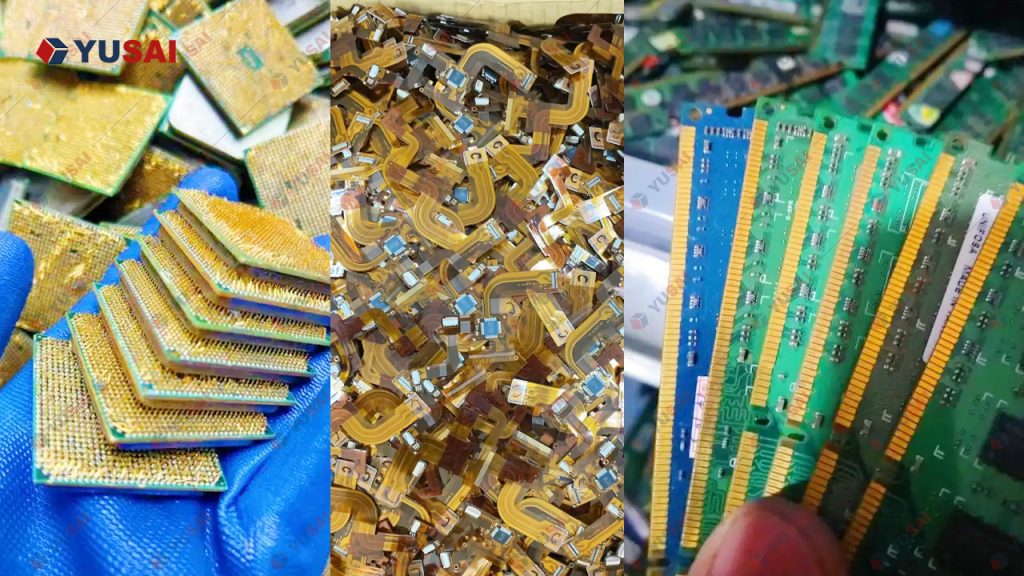
- Gold: Mostly applied as gold plating on contact points. Typical positions include RAM gold fingers, CPU contact pads and all kinds of connector interfaces. Gold provides outstanding electrical conductivity and excellent oxidation resistance, keeping signal transmission stable for years.
- Silver: Present in silver-bearing solder alloys or silver-plated coatings. Silver additives improve solder performance, and silver plating is used on selected high-frequency circuits and special connection nodes.
- Palladium: Mainly found in MLCC (multi-layer ceramic capacitors) and chip contact areas. Palladium-silver alloys (common ratio 30:70) serve as internal electrodes for MLCC. Palladium resists oxidation during high-temperature sintering and matches the thermal expansion rate of ceramic dielectrics.
- Platinum and other minor precious metals: Platinum is used in thick-film resistors and PTC thermistors. Rhodium appears in ultra-thin coatings, while ruthenium is added into resistor paste. Their content is low, yet they are irreplaceable for targeted electronic functions.
Precious Metal Content & Value of PCB Urban Mines
Scrap computer motherboards earn the “urban mine” title because their precious metal grade is far higher than natural ore. The approximate metal yield from one ton of waste computer motherboards is listed below:
- Gold: 200–300 g/ton, some high-grade boards reach 250–350 g/ton
- Silver: around 2 kg/ton
- Palladium: 30–150 g/ton (figures vary by board type)
- Platinum: 5–10 g/ton
For comparison, ordinary natural gold ore only contains 3–5 grams of gold per ton, and high-grade gold ore reaches roughly 15–20 g/ton. This means waste PCBs can be dozens of times richer in gold than mined ore. The total metal value contained in one ton of computer scrap boards can reach thousands of US dollars. Mobile phone PCBs usually carry higher gold content by weight (around 300 g gold per ton), while computer motherboards have larger size and heavier weight, so the total recoverable metal volume per single board remains considerable.
Why Precious Metals Are Used In Electronic Circuits
Despite high material costs, gold, silver and palladium remain nearly irreplaceable in high-performance electronics, thanks to their unique physical and chemical properties:
- Superior conductivity: Silver and copper top the conductivity ranking; gold also conducts electricity very well. Palladium-silver alloys support reliable high-speed signal transmission.
- Strong anti-oxidation and corrosion resistance: Gold barely oxidizes in air, ensuring stable contact for electrical terminals over decades. Palladium maintains stability under high-temperature processing and prevents electrode degradation.
- Excellent processing performance: Gold has great ductility and can be drawn into ultra-fine bonding wires for microchip internal connections. Palladium-silver alloys restrain silver migration and extend the service life of MLCC and other components.
- Thermal matching: Palladium’s thermal expansion coefficient closely matches ceramic media, which makes it ideal for MLCC inner electrode production.
Critical Warning: Risks of Unregulated DIY Extraction
Unlicensed crude extraction of precious metals from scrap PCBs is dangerous and violates global waste control rules.
Health & Safety Hazards
Crude recovery uses strong acids such as nitric acid, aqua regia or highly toxic cyanide chemicals. These substances are corrosive, toxic and flammable. Improper operation may cause severe chemical burns, acute poisoning or fatal injury. Toxic fumes including nitrogen oxides will seriously damage the respiratory system.
Severe Environmental Pollution
Informal extraction generates large volumes of waste liquid and residue loaded with heavy metals and toxic compounds. Uncontrolled discharge contaminates soil and groundwater and causes long-term ecological harm.
Compliance Risk
Waste printed circuit boards are classified as hazardous waste under waste management regulations worldwide. Unauthorized collection, storage, dismantling and metallurgical processing violate waste control laws and international hazardous waste conventions such as the Basel Convention. Violators will face heavy fines, shipment seizure and legal penalties.
Poor Economic Return
Modern electronic products are designed lightweight and cost-efficient, cutting precious metal consumption per unit. Without professional sorting and metallurgy equipment, DIY operators achieve extremely low recovery rates. The small amount of recovered metal cannot offset health losses, environmental fines and legal consequences.
Professional Industrial Recycling Process
Licensed PCB recycling and precious metal refining is a systematic, eco-friendly and technology-driven workflow, completely different from primitive crude smelting.
- Sorting & pre-treatment: Recycled electronic units go through manual and automatic sorting. Batteries, plastic casings, displays and other parts are separated to obtain relatively clean bare PCBs.
- Shredding & physical separation: PCBs are crushed by industrial shredders. Magnetic separation, eddy current separation and electrostatic separation separate metallic fractions from non-metallic fractions including plastic and ceramic.
- Hydrometallurgical leaching (core stage): Controlled hydrometallurgy is widely adopted.
- Silver recovery: Silver is dissolved into silver nitrate solution by nitric acid leaching, then reduced or electrolyzed to produce pure silver.
- Gold recovery: Environmentally improved low-concentration cyanide leaching or cyanide-free leaching technology is applied in sealed reactors. Dissolved gold is captured by activated carbon, then refined via electrolysis or chemical reduction.
- Refining: Crude precious metal products go through further purification to reach industrial high-purity gold, silver and palladium.
The Core Advantage of Formal Factories
Full sets of waste gas and wastewater treatment facilities are installed to guarantee discharge meets environmental standards. All processing runs in sealed, automated workshops to protect workers and maximize resource recovery.
If you have scrap PCB, e-waste or electronic metal scrap for recycling, please only cooperate with certified recyclers with full hazardous waste handling qualifications for safe, stable and compliant precious metal recovery.